Right now, our media headlines are plagued with negative environmental stories.
“Trump’s EPA aims to cut pollution rules”.
“More than 125 US environmental rules and policies were rolled back”.
“Government not taking climate seriously”.
However, there is one country that is doubling down on their pledge to the environment: Costa Rica.
For decades, Costa Rica has been a leading country in ethical travel and ecotourism.
This blog will explore what ecotourism is, and my work within the industry.
Introduction
The Costa Rican government has gone lengths in order to protect the abundant lands.
So much so, approximately 33% of the country has been designated as National Parks and Wildlife Reserves.
And rightly so.
Costa Rica is home to approximately 5% of all plants and animals on our planet – a true biodiversity hotspot.
And the government has decided to capitalise on the economic potential of its nature.
Unlike many other countries, which exploit their natural resources, and sell off large areas of wilderness for economic gain, Costa Rica profiteers off their ecotourism sales
According to the Costa Rican Tourism Board, tourism contributes to over 8% of the country’s Gross Domestic Product (GDP). In 2024, that equated to about $5 billion.
Sure, other countries are catching on to the ecotourism trend. But Costa Rica has been a trailblazer of ecotourism since the 1990’s.
What Is Ecotourism?
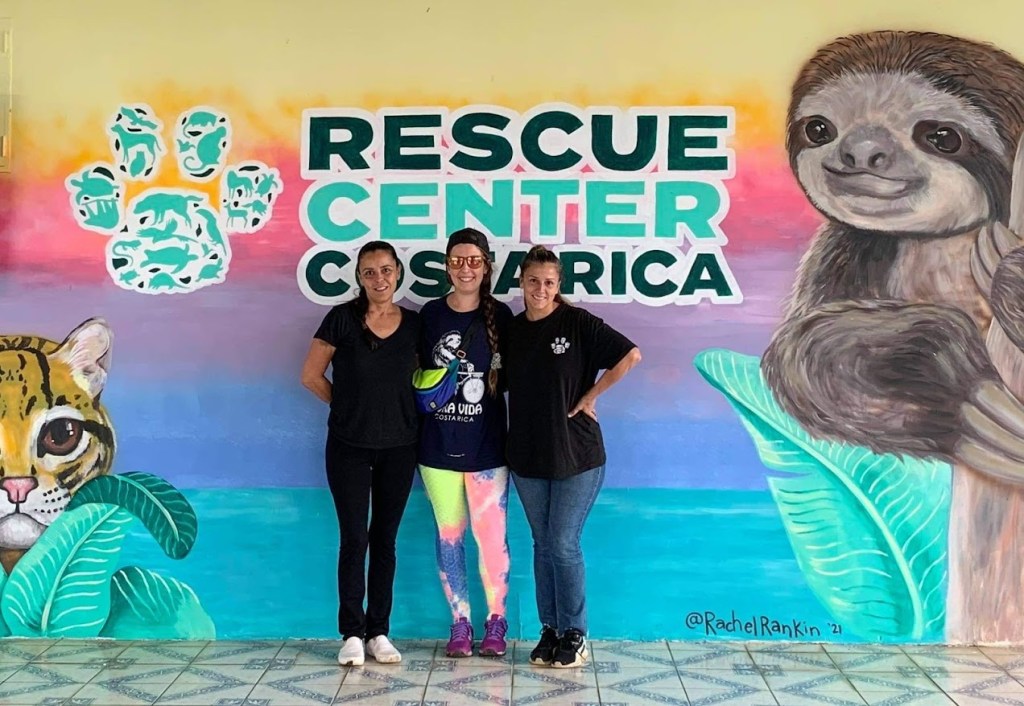
Ecotourism, or ethical travel, is a form of sustainable travel that focuses on exploring natural areas while minimising environmental impact and supporting local communities.
The aim of ecotourism is to conserve the environment, benefit local populations, and promote cultural understanding through nature-based experiences.
Costa Rica has no shortage of pristine natural areas and local communities, making it a prime candidate for ecotourism.
The purpose is to support conservation efforts in the region, supporting indigenous communities and observing wildlife respectfully.
In Costa Rica, some of the most popular ecotourism activities include wildlife watching, hiking and trekking and cultural tourism.
The money from ecotourism, in theory, gets channelled directly into ongoing projects for conserving and enhancing biodiversity.
Ethical Tourism Within Costa Rica Rescue Centres
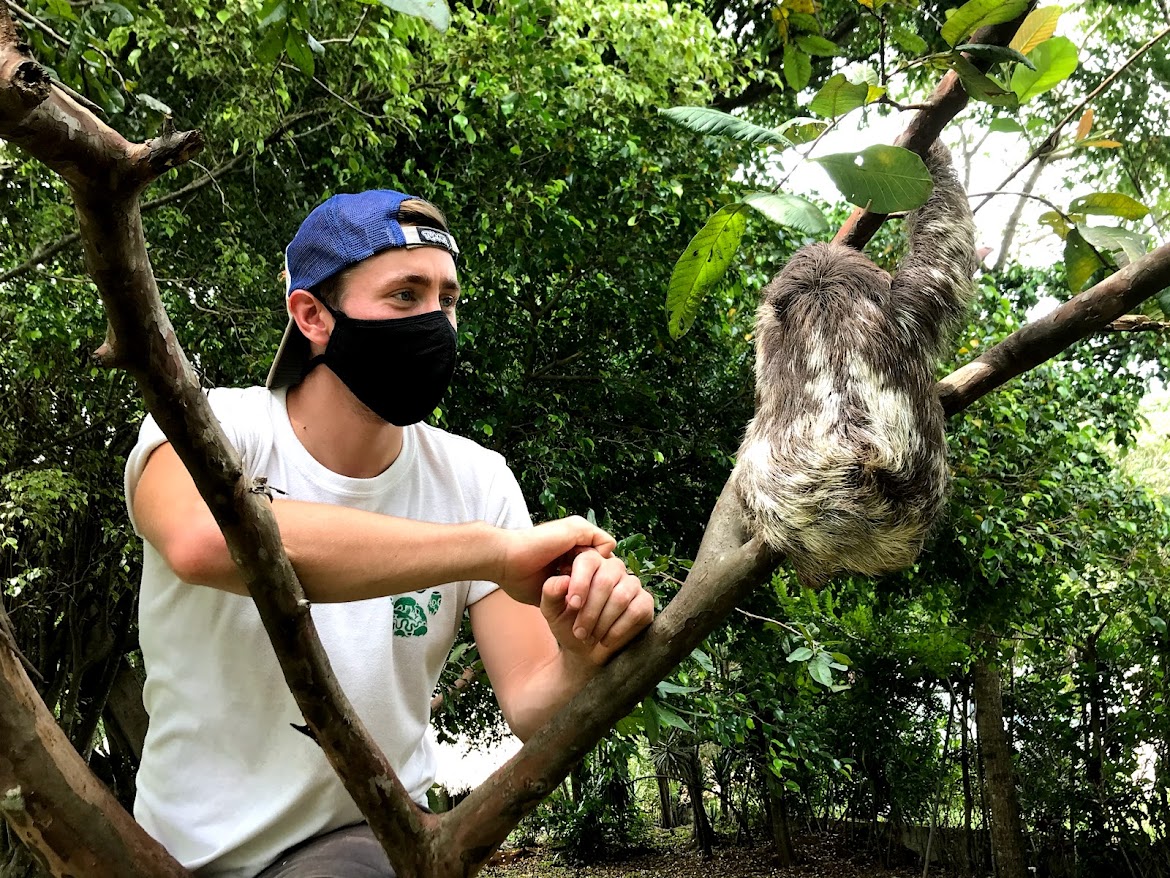
For many years, I worked directly with a range of Costa Rican animals in a rehabilitation centre.
To educate people on the negative effects of tourism and wildlife exploitation, we carried out tours of the rescue centre to paying guests.
Across the globe, some rescue centres allow you to take selfies with animals. You may see some animals perform tricks. Or you are encouraged to feed the wildlife.
None of the above are forms of ethical tourism. They exploit wildlife for human gain.
Unbeknown to many, monkeys, for example, can be very aggressive. Some centres drug them so people can get close. Some take more drastic measures, such as the removal of teeth, to prevent casualties.
Nature is part of the Costa Rican identity and plants and animals are a natural treasure to many Costa Ricans.
Tourists to Costa Rica should be mindful of this, and follow ethical guidelines to ensure minimal impact.
For example, you should reject any practices or establishments that allow you to take selfies whilst holding animals. This is just promoting exploitation, suffering and mishandling – only trained professionals can do this.
You should also observe animals in a calm and respectful way, and at a safe distance.
Do not enter enclosures, do not try to touch animals through fences, or attract them with food.
Many animals in rescue centres are being rehabilitated back into the wild. By interfering in this process, you could seriously jeopardize the reintroduction procedure.
At the rescue centre I worked at, we work closely with the Costa Rican government, and their affiliated organization, Minae, that governs National Parks and wildlife resources.
At Cecropia Travel, we partner with leading responsible experts in the field of conservation and animal husbandry.
If you would like the opportunity to work with animals, both in the wild or captive settings, our team would be more than happy to assist you with any of your travel planning.
Money from guests goes directly to the animals themselves – from state-of-the-art enclosures to high quality food.
Indirectly, the money is put back into the community through community projects, such as local schoolwork, and partnering with other rescue centres. On-call staff can be hired to attend animal rescues.
Final Thoughts
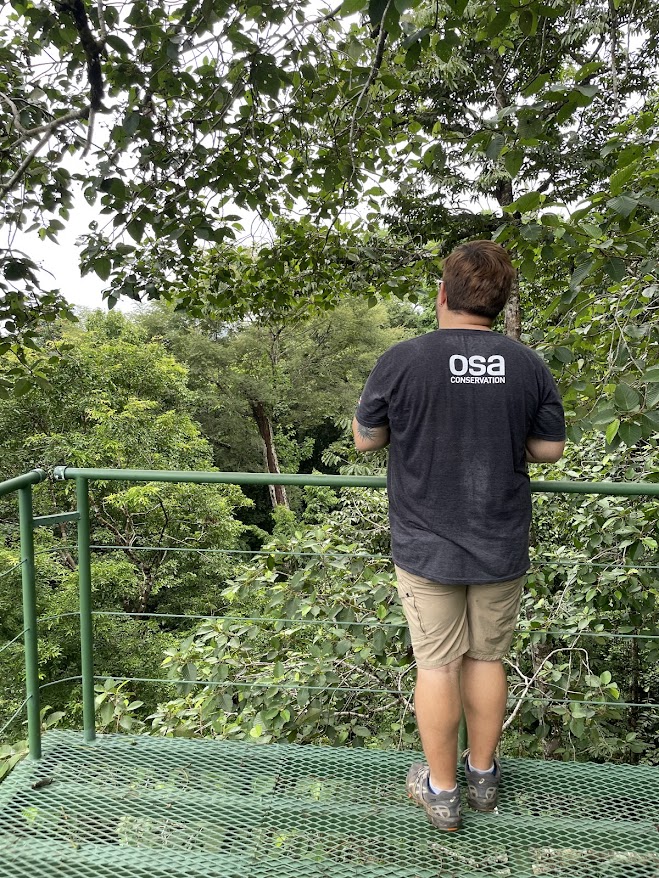
We uphold the belief that ethical travel is the way forward, not only in Costa Rica, but for the world to follow suit.
To be mindful and conscious of the environment raises awareness, promoting a larger understanding and appreciation for nature, and the planet as a whole.
Ecotourism works cohesively with ethical travel, inspiring travelers to be more responsible for their actions on the planet and uniting conservation projects and community outreach.
 Cecropia Travel Blogs
Leave a comment