
At just over 50,000km², Costa Rica is a small country.
Yet the diversity within is staggering.
The country is separated into distinct provinces – each with defined climate, scenery, wildlife and culture.
Our first five destinations take you to palm-lined beaches of the Pacific coast, to the high-elevation cloud forests of the Central Valley.
Next week, we’ll be travelling to the humid Caribbean coast, rainforest-covered volcanos and villages off-the-beaten-track
If you like what you see, contact our team today to organise a free video consultation to discuss your Costa Rica travel plans.
Why Our Opinion Matters
Sure, other travel agencies may have country “specialists”.
But how special are these so-called “specialists? Have they travelled extensively throughout the country? Do they know the culture? Are they familiar with off-the-beaten track destinations, or do they just stick to the tourist route?
Cecropia Travel prides itself on having expert, real-time knowledge of Costa Rica.
Collectively, our team have spent over 30 years living, working and travelling throughout Costa Rica.
When we say we’re specialists, we mean it.
And, throughout our time here, we’ve really come to love a few very special areas – both tourist hotspots and regions off-the-beaten-track alike.
During our time in Costa Rica, we have partnered with the best guides, discovered the best hotels and experienced wildlife sightings like no other.
This is travel done right. We want you to share our experiences with us.
Top Destinations in Costa Rica
Samara
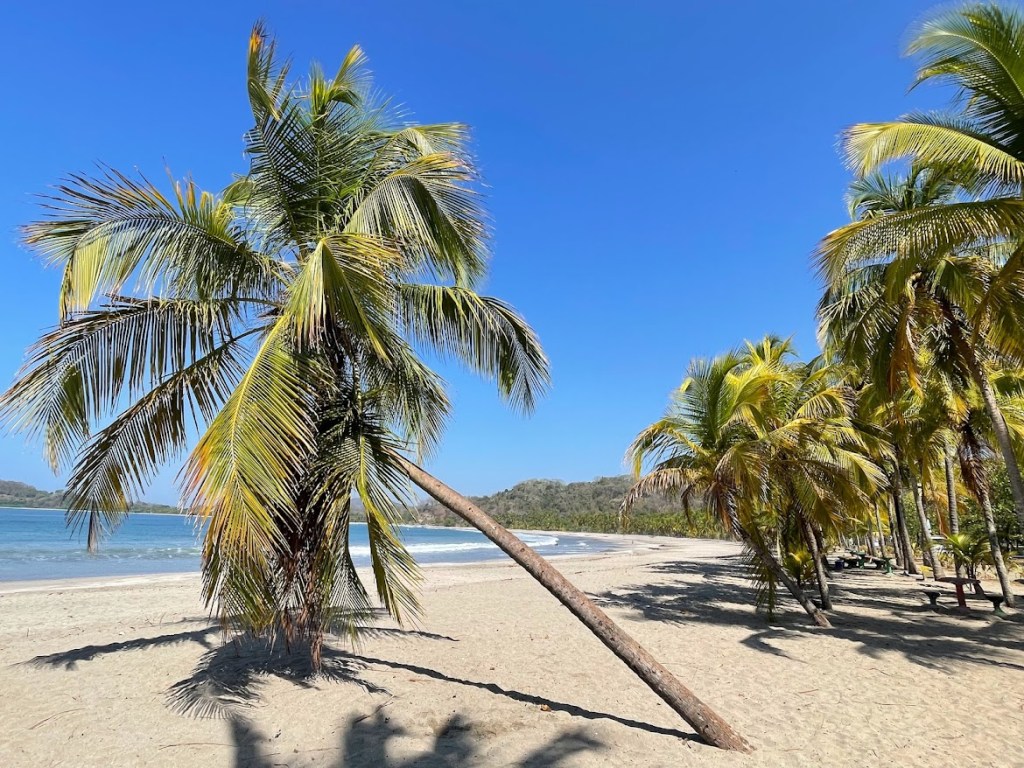
Samara is a small coastal town on the Nicoya Peninsula of Guanacaste.
The Nicoya Peninsula is considered one of the five “Blue Zones” of the world – a geographical area with a high concentration of long-lived populations, who frequently reach 90 to 100 years of age.
There’s a real cohesive community feel in Samara, owing to the mix of people – from back-packers and families to locals and expats.
Around Samara, a wealth of tropical dry forest can be found – one of the few remaining coastal towns where this still exists. An array of species reside here, such as howler monkeys, raccoons, coatis, motmots, anteaters, porcupines and aracaris.
The main beach, Playa Samara, is the area’s most popular attraction – and for good reason. The wide bay has relatively calm water due to a coral reef just offshore. This makes it a decent place to swim and snorkel.
Just to the south, Playa Carrillo is found. An exceptionally pretty beach, with light sand, rows of palms, and calm waves for swimming. It doesn’t have the amenities of Playa Samara like restaurants and tour operators so be sure to bring everything you need for the day.
Our Opinion:
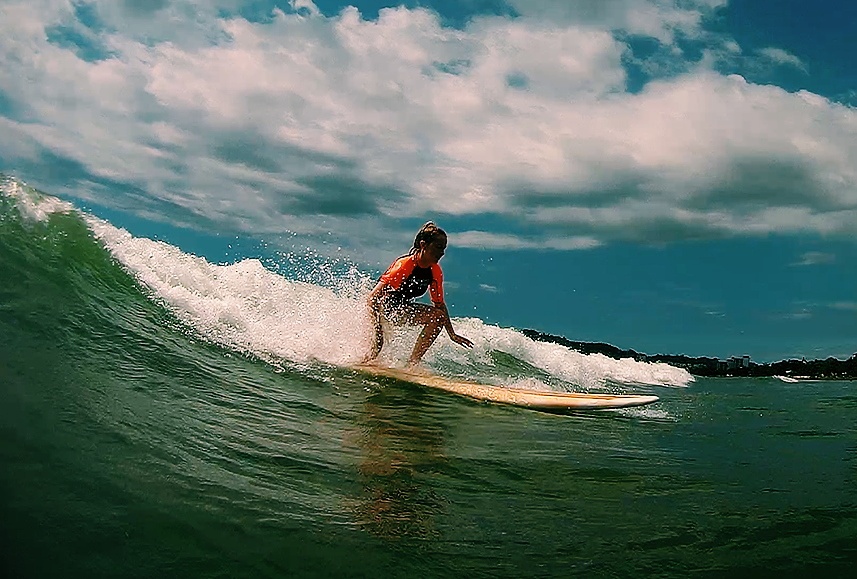
Call us biased, but Samara has a very special place in our hearts.
Whilst it is becoming more touristy, it still manages to retain that small, beach-town charm – a characteristic that is becoming increasingly more hard to find across coastal Guanacaste.
The sheltered bay and the laid-back air are enough to make you live the Pura Vida fantasy.
Having lived in Samara for a while, we’ve explored all the nooks and crannies. From secret viewpoints and snorkelling spots, to cheap family-run restaurants.
Every Saturday, a local farmers market sees the community getting together to sell and try a range of produce. After, head to the beach for a quick surf or simply relax and soak up the sun.
Samara is the perfect destination to finish any trip to Costa Rica.
Drake Bay
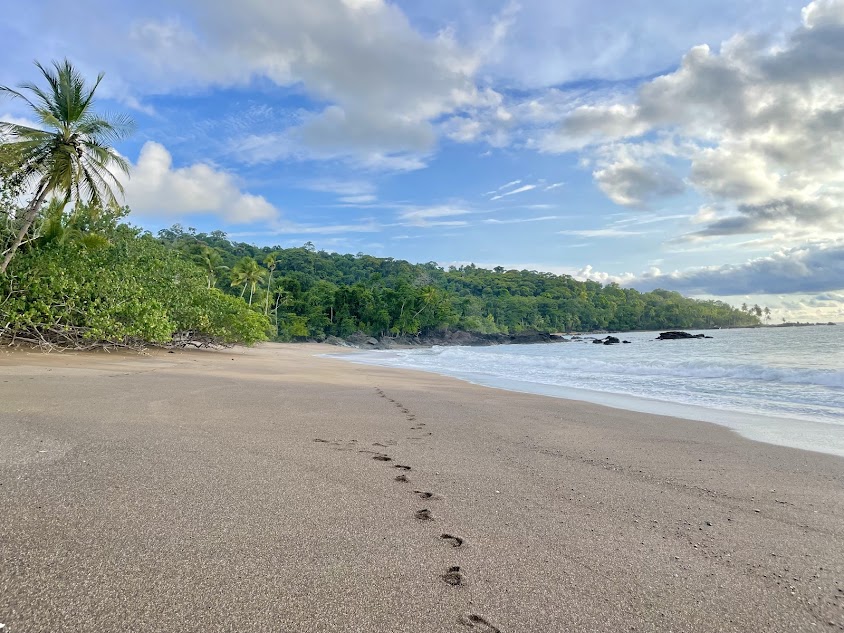
First thing to note – if you want to impress the locals here, don’t say Drake Bay.
Instead, say the Spanish version – “Drak-ay Bay”
Part of the remote Osa Peninsula, in Costa Rica’s southwest, getting to Drake Bay isn’t for the faint-hearted.
The most common route involves taking a rather bumpy boat from Sierpe. This route takes you through one of the largest expanses of mangrove forest in all of Costa Rica.
Then, you hit the somewhat choppy (especially in the rainy season) oceanic waters of Drake Bay. Despite the waves, be on the look out for dolphins or, if you’re travelling between July – April, humpback whales.
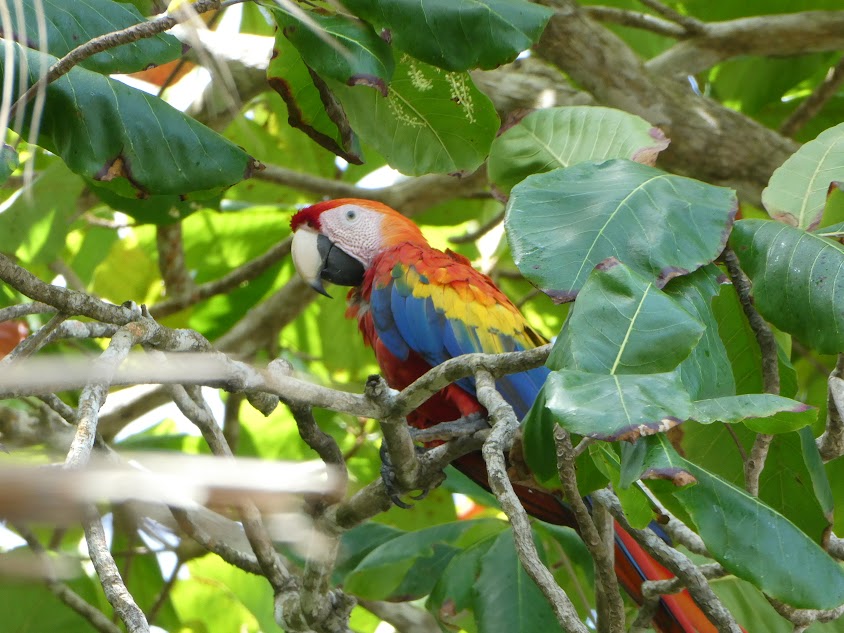
This is a place for true nature adventures. You won’t find any banks, ATMs, hospitals or supermarkets in Drake Bay. Instead, you will find tranquillity and nature, and lots of monkeys and scarlet macaws.
Our Opinion:
Magical and timeless. That’s all that needs to be said.
If you’re a nature lover, Drake Bay is for you.
Whilst Drake Bay is still part of mainland Costa Rica, the relative remoteness makes the region seem in a bubble of isolation. A bubble of community spirit.
There is a lovely trail that wraps around Drake Bay and hugs the surrounding coastline – if you don’t have too much luggage, it’s a great way to reach some of the outer hotels. I did this when I went to visit the boutique ecolodge Copa de Arbol earlier this month and the wildlife I saw was just staggering.
Whilst in the region, we’d also recommend a snorkel trip to the nearly Isla del Caño; a 5,800 hectare marine reserve.
Isla del Caño has one of the most extensive and healthiest coral formations on the Pacific Coast of Costa Rica. Here, it isn’t uncommon to see sea turtles, rays, dolphins, sharks, tuna, and other aquatic species whilst snorkelling.
Puerto Jiménez
Despite being the largest town in the Osa Peninsula, you won’t need to worry about being over-run with tourists in Puerto Jimenez.
Located on the eastern side of the Osa Peninsula, it is bordered on one side by the Golfo Dulce and by the world-famous Corcovado National Park on the other.
It’s a must-see destination for those seeking an immersive natural experience.
Afterall, Puerto Jiménez is the gateway to the Corcovado National Park – one of the most biodiverse places on our planet, with nearly 6% of all life on Earth found here.
However, you don’t need to venture far outside the town of Puerto Jiménez to see wildlife. Scarlet macaws, spider monkeys, squirrel monkeys, tapirs. The list goes on.
Our Opinion:
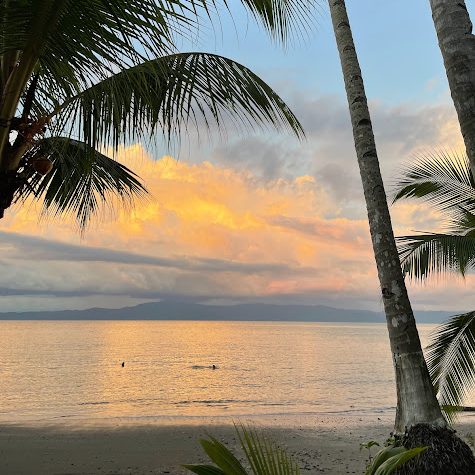
We couldn’t decide whether to include Drake Bay or Puerto Jimenez on this list. But in the end, we just had to include both.
Although both places are in a similar geographical location, each destination offers something unique.
For us, Puerto Jimenez offers a perfect blend of adventure, wildlife, and relaxation.
But what really sets Puerto Jiménez apart is the direct access to Gulfo Dulce – one of the few tropical fjords in the world, and an extremely rare biome.
This area of coastline supports more than 1000 species, including endangered and endemic animals. In this known biodiversity hotspot, charismatic fauna such as whales, dolphins, sea turtles, sea snakes, and sharks, are commonly seen.
Throughout the Golfo Dulce, a range of organisations work on various conservation projects – from in-water sea turtle conservation to coral restoration projects. Guests to the area can immerse themselves on, and in, the water via kayak, paddleboard or boat.
Boca Tapada
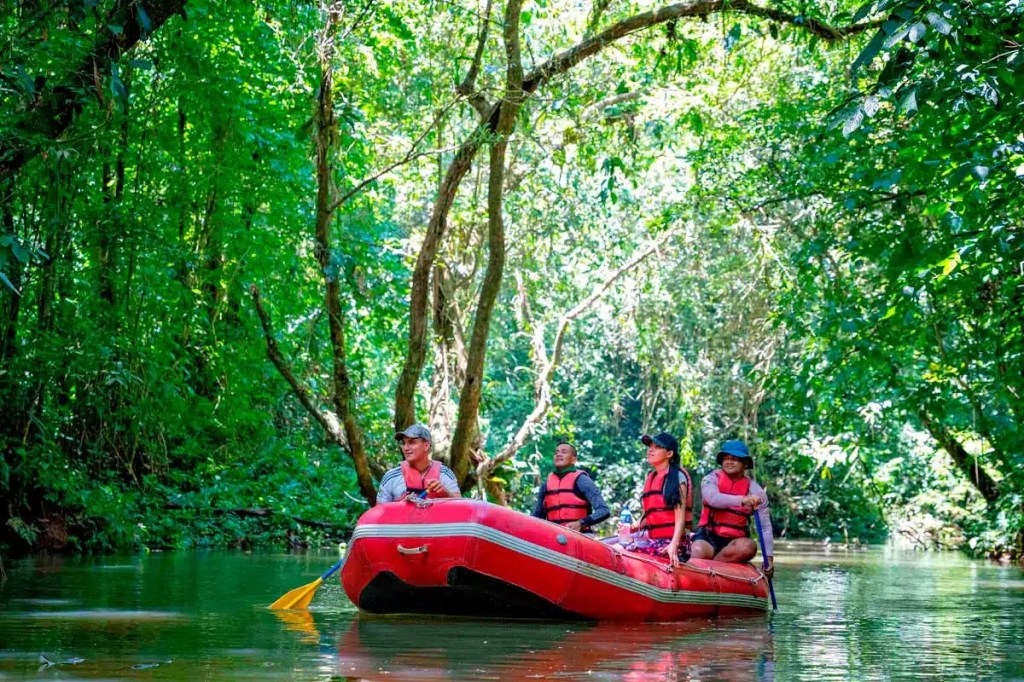
Located in the Northern Lowlands between Ciudad Quesada and the Nicaragua border, Boca Tapada is far off the beaten tourist path.
This is an area that true eco-tourists embrace for its natural beauty and tranquillity. It remains one of the most natural regions of Costa Rica.
In 2005 the Costa Rican government declared the region surrounding Boca Tapada as the Maquenque Wildlife Refuge and Biological Corridor.
Within the Maquenque Wildlife Refuge, Boca Tapada is a primary nesting area for the endangered Great Green Macaw. This is one of the few areas where these majestic birds can be observed regularly.
The macaws feed on almond trees which, whilst common to the area, are at risk of becoming extinct elsewhere across Costa Rica.
Boca Tapada isn’t just a bird watching destination. There are many species of mammals, amphibians and reptiles to captivate visitors.
Our Opinion:
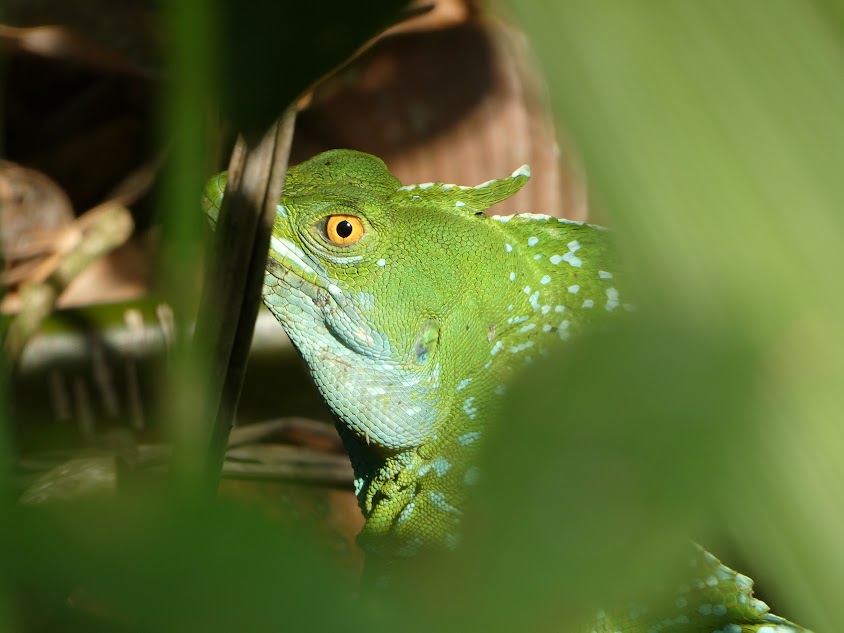
A trip to Boca Tapada is like a trip back in time. There are no fancy restaurants or big supermarkets, no chain hotels or tourist-traps. Just pure nature.
When we visit, we always stay at Maquenque Ecolodge.
This ecolodge is a perfect blend of nature and comfort, as well as upholding local customs and traditions – a course on local coffee and chocolate making is definitely recommended here.
If you’re a birder, this is the place for you. So far, 592 species of birds have been recorded! And you don’t even need to venture to the remotest parts of the reserve to see the birds – just a quick trip to the breakfast lodge and you’ll be dining with toucans and woodpeckers.
For those more avid nature lovers, why not try a river raft safari along the Tres Amigos river. It’s a wonderful experience, gliding silently down the nature-laden landscape with a knowledgeable guide sharing interesting facts with you.
San Gerardo de Dota
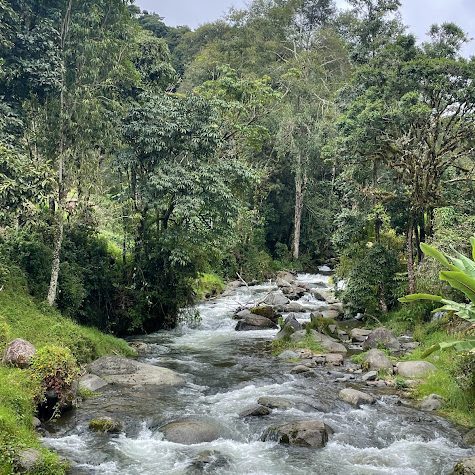
On the ridges of the Cordillera de Talamanca, tucked away in the folds of the Río Savegre Valley, the village of San Gerardo de Dota can be found.
At some 2,200 metres above sea level, this high-altitude region is adorned with verdant landscapes – but brace yourself for the famously cold climate!
Boarding the Los Quetzales National Park, San Gerardo is bursting with natural beauty. Here, you can lose yourself in birdwatching, enjoy rivers full of crystal-clear water and cascades, try a spot of trout fishing, or discover hidden trails through the cloud forest.
Our Opinion:
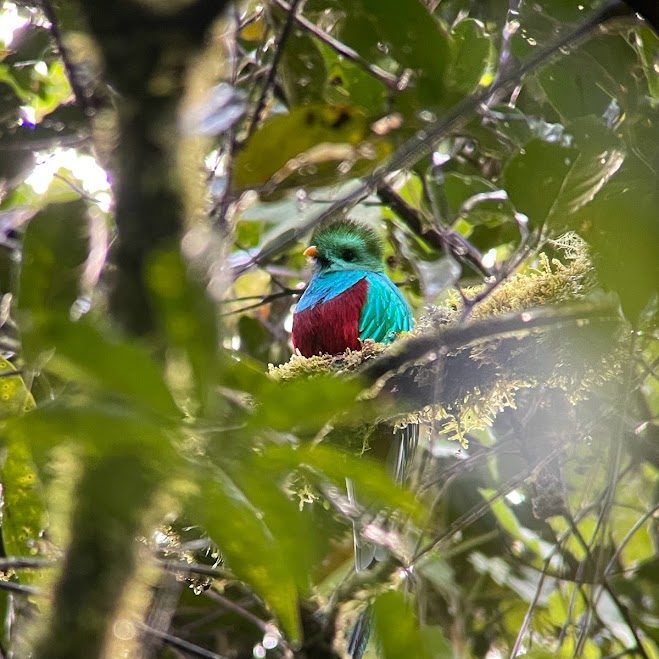
Ethereal and magical is the only way to describe San Gerardo de Dota.
For us, however, the highlight is the famously beautiful resplendent quetzal – a brilliant green bird with long, streaming tail feathers.
Whilst many visitors flock to the world-renowned Monteverde, San Gerardo remains relatively untouched in comparison. This allows for highly personal and intimate tours to spot the elusive quetzal bird.
The weather is cool and refreshing – a welcome relief from the humidity of coastal living. This makes it a perfect place to hike.
The Savegre River, often considered one of the cleanest rivers in the world, flows through San Gerardo. Trout fishing and waterfall hikes are other popular activities in the area.
Final Thoughts
So, there we have it – our first five top destinations in Costa Rica.
From the palm-lined beaches of Samara or the wildlife-rich waters of Drake Bay, to the moss-covered trees of San Gerardo, there’s such a contrasting beauty to each destination.
Which place would you like to travel to?
 Cecropia Travel Blogs
Leave a comment