
Last week, we started to explore some of our top destinations in Costa Rica.
We visited the palm-lined beaches of the Pacific coast, to the high-elevation cloud forests of the Central Valley.
This week, we’ll be travelling to the humid Caribbean coast, rainforest-covered volcanos and off-the-beaten-track towns.
Our knowledge of Costa Rica cannot be rivalled by other travel agencies. If you want help planning a trip to Costa Rica, contact our team today.
Top Destinations in Costa Rica Continued
Tortuguero
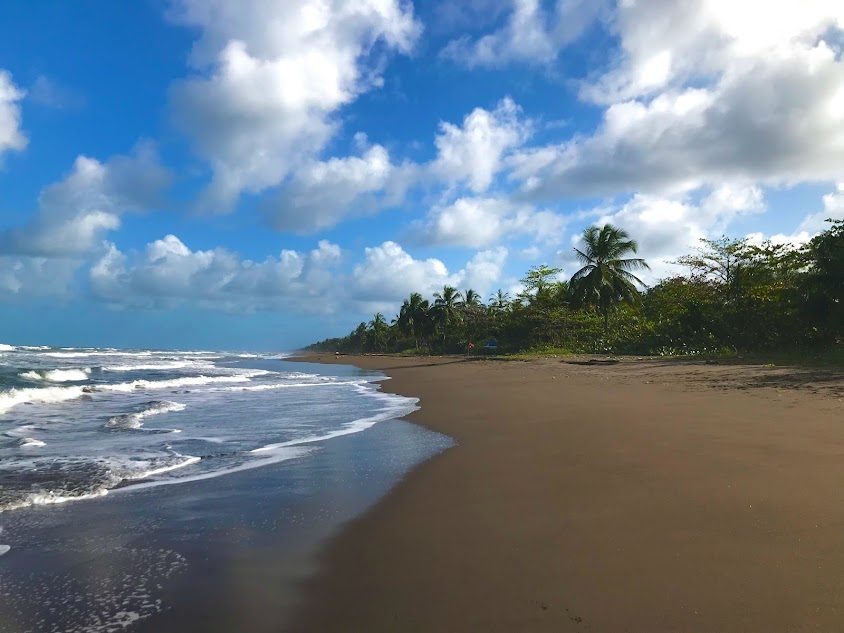
Tortuguero village is surrounded by a river on one side and beach on the other.
Although Playa Tortuguero isn’t the most photogenic beach, it is what put Tortuguero on the map as one of the leading eco-destinations in Costa Rica.
This is because Tortuguero, or the “place of the turtles”, became famous in the 1950’s when an American sea turtle researcher – Dr. Archie Carr – discovered that it was the single most important nesting site for green turtles in the Western Hemisphere.
Thanks to this discovery, Tortuguero National Park was born to protect the turtles. Since then, eco-tourists from all over the world travel to Tortuguero to see turtles in Costa Rica and visit Tortuguero National Park.
Between the months of July – October, the endangered green turtle comes ashore to lay eggs on the stretch of 35km protected beach. The beach also supports populations of leatherback and olive-ridley sea turtles.
Although turtles take the spotlight in Tortuguero, there are plenty of other animals to see – tapirs, caimans, river birds, monkeys, sloths and iguanas to name a few. Manatees and dolphins are also found in Tortuguero, though rare to see.
The park encompasses 77,032 acres and forms another corridor with a protected area in Nicaragua.
Our Opinion:
Although the third most visited National Park in Costa Rica, Tortuguero remains a firm favourite for good reason.
The village itself is home to just 2,500 residents. In this small community, where tourism is the backbone, you’ll find no cars – supplies are brought in by boat or plane.
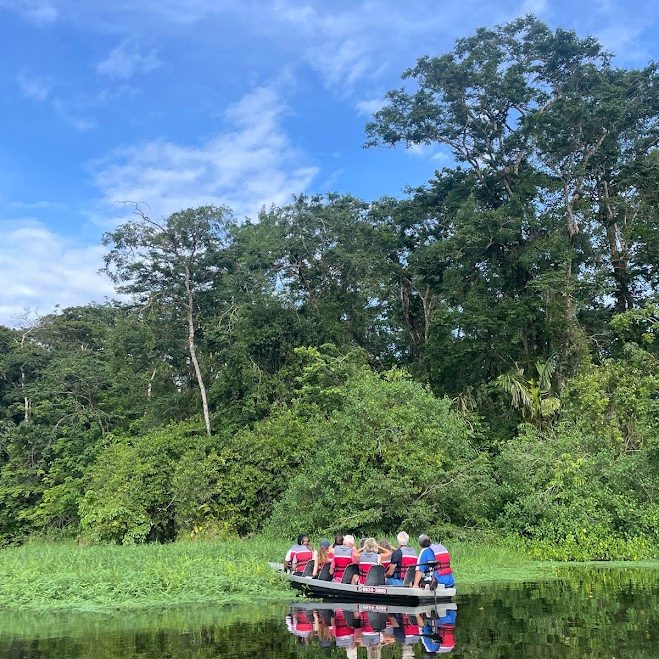
The best way to get around is via the intricate waterways – either by boat, kayak or canoe. This allows you to near-silently get close to animals you wouldn’t normally be able to.
With a guide, we definitely recommend doing an early morning kayak through the smaller tributaries of Tortuguero. You can navigate the labyrinth of rivers with ease, getting close to both aquatic and terrestrial species.
Whilst in Tortuguero, a must-do activity is the Tortuguero Hill Walk.
The region is typically very flat and wet (it is the wetlands afterall), but there is one place to dry your feet, catch a breeze, and get an amazing view – Cerro Tortuguero!
This short hiking trail leads to a gorgeous viewpoint of the canals and some incredible wildlife along the way.
Although just 119 meters tall, Cerro Tortuguero is the tallest point on the Caribbean coast. Once a former volcano, it is now covered in dense vegetation.
The hike itself is relatively short, less than 2 miles there and back. However, you’ll be rewarded with stunning views – come rain or shine.
Monteverde
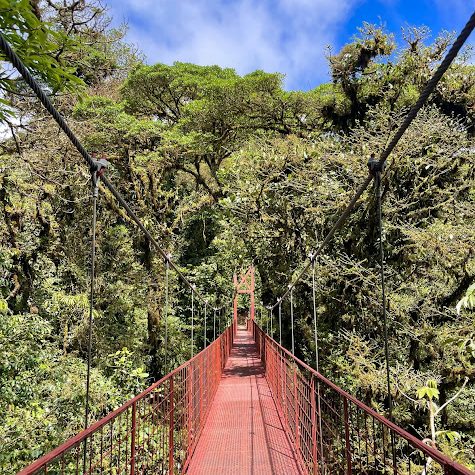
The central highlands encompass northern Costa Rica’s most fertile regions.
Waterfalls, mountains and forests are found amongst undulating hills, and near-perfect weather conditions allow Costa Rica’s famous coffee to grow plentifully.
Monteverde is world famous for its cloud forest. However, this cloud forest extends far beyond Monteverde. Covering just under 30,000 acres of land – from Arenal Volcano in the east, down to the low hills of Guanacaste in the west – the cloud forest system is an integral part of the landscape.
It sits astride the continental divide at an altitude slightly above 1,600 metres, protecting and providing habitat for hundreds of species of plants and animals.
The Monteverde Reserve is the last sizeable pocket of primary cloud forest in Central America, supporting six different ecosystems and containing an estimated 2,500 species of plants, more than 100 species of mammals, 490 species of butterflies and over 400 species of birds.
People flock from all over the world to catch a glimpse at some iconic bird species, including the resplendent quetzal, three-wattled bellbird and the umbrellabird.
Our Opinion:
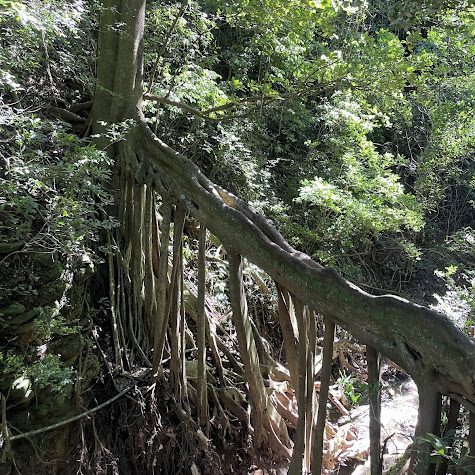
Yes, Monteverde is a tourist hotspot in Costa Rica.
But like other tourist hotspots in Costa Rica, there is a reason as to why it is so popular here.
The Monteverde National Park is as old as it is vast.
And, as cliche as it sounds, the weathered trees seem to radiate an ancient magic – either that or the high altitude got to me.
The mystical lands of Monteverde are often shrouded with a fine layer of mist. The gnarled and twisted trunks, aged with moist moss, lichen and bromeliads add to the air of mystery.
But even here, with the thousands of yearly visitors, secrets are waiting to be revealed to those who know where to look.
Discover the ficus tree bridge, where great masses of roots have extended from a fallen ficus tree to create an awe-inspiring bridge-like formation.
Or ascend the trailhead of the Aguti Reserve – a lesser-known, but equally as beautiful part of the Monteverde National Park. I did this walk last month and didn’t pass a single other human.
Arenal/La Fortuna
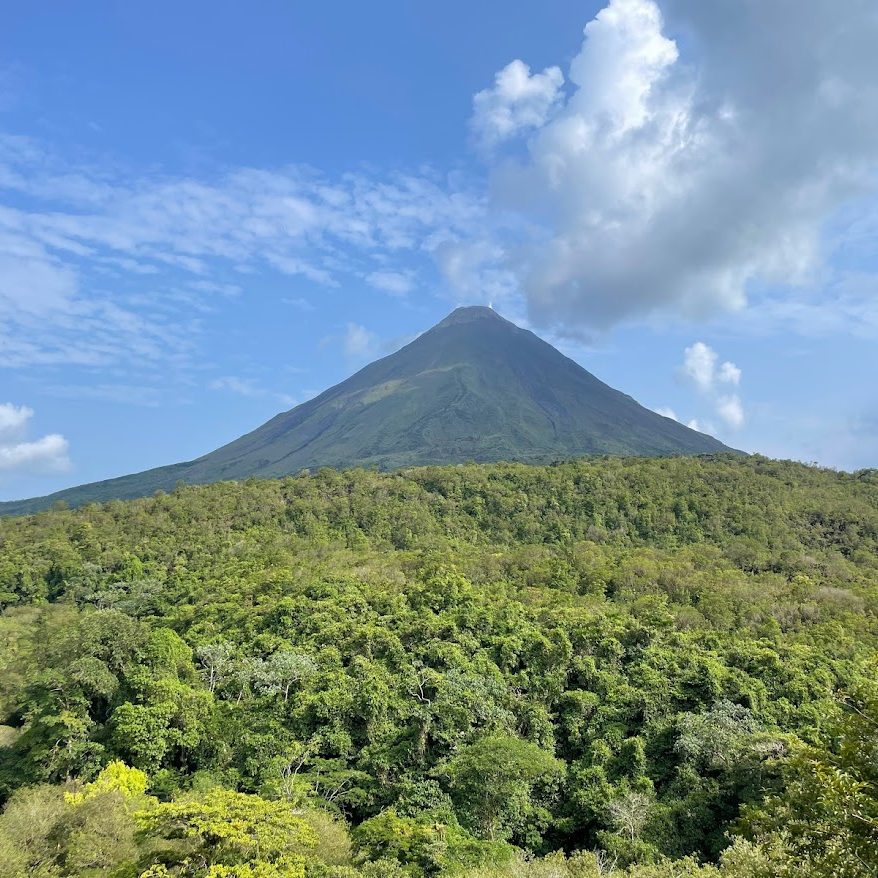
Busy though it is becoming, Arenal still retains itself as one of our favourite places in Costa Rica.
La Fortuna is a small and leisurely town, tucked into the base of the Arenal Volcano. Here, you’ll find shops, restaurants and bars.
Beyond the town, rising majestically from the lush rainforest of northern Costa Rica, the 1,633-meter tall Arenal Volcano is one of the country’s most iconic natural landmarks.
At one point, Arenal Volcano was one of the most active volcanoes in the world.
On the morning of July 29th, 1968, Arenal Volcano violently erupted, spewing ash, rocks, and gas for three consecutive days leaving a total of 87 people dead. It continued erupting until 2010.
Today, Arenal is in a period of dormancy, yet its imposing presence and surrounding landscapes continue to captivate visitors.
The region is a haven for adventure seekers and nature lovers alike, offering everything from hiking trails and wildlife encounters to soothing hot springs and thrilling zip-line tours. Arenal promises an unforgettable experience immersed in Costa Rica’s natural beauty.
It’s worth noting that Arenal Volcano is often shrouded with clouds, and catching a clear glimpse is difficult – especially during the rainy season. On average, the volcano is visible just 77 days of the year.
Our Opinion:
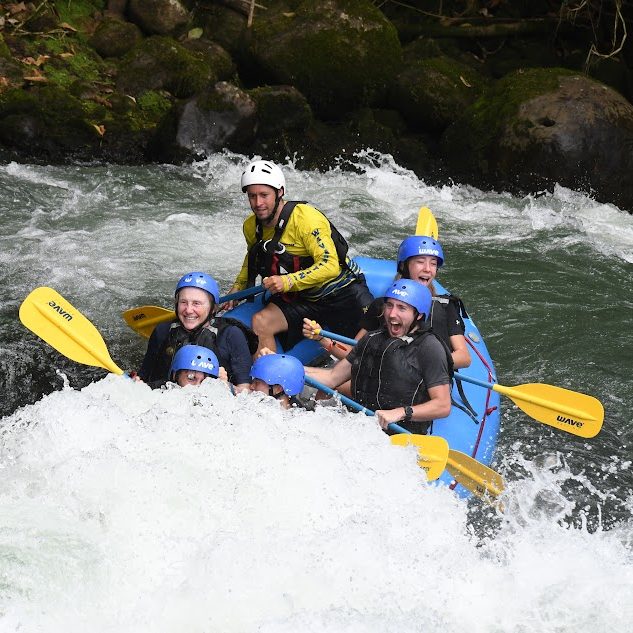
An imposing volcano, a wealth of wildlife, hot springs and dense jungles – what’s not to like about Arenal.
If I had to choose one destination in Costa Rica to spend my entire holiday, it would have to be Arenal. There is just so much to do here – too much, in fact, to squeeze into just a few short days.
Hike old lava fields, paddleboard on lakes, zipline through canopies, taste an array of delicacies, learn about the indigenous Maleku tribes, horseback ride through rivers, descend into vast underground caverns.
Are you starting to see that the list is near endless?
And, after a full-on day of exploring and activities, there is nothing better than to relax in the mineral-rich hot springs. Fed directly from Arenal Volcano, the various hot springs around Arenal add to the fantasy. We recently spent time at the famous Tabacon – you can see our video here.
I recently returned from a white-water rafting trip on the Sarapiqui river, close to Arenal. The raw beauty of the region is unprecedented.
Bijagua
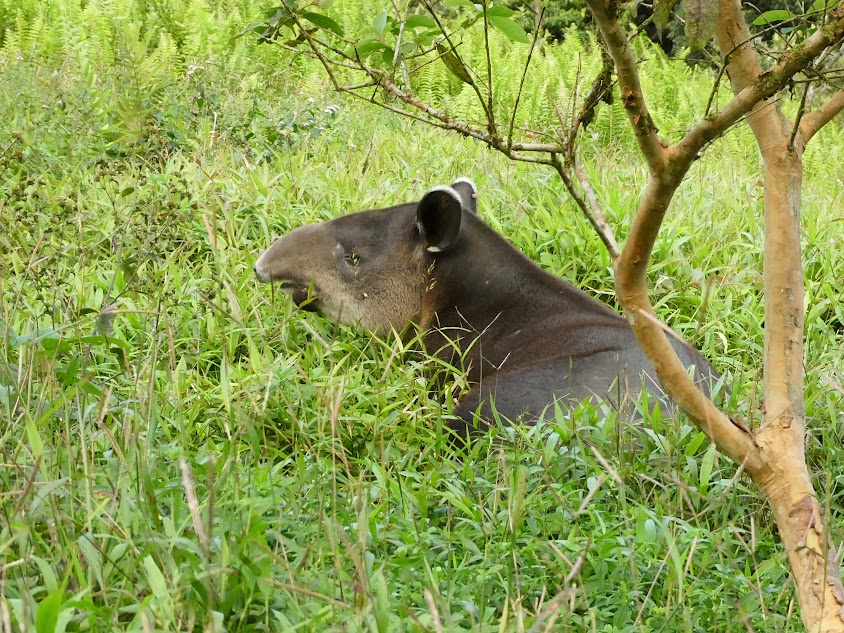
Bijagua is a little town, boarding the provinces of Alajuela and Guanacaste.
It has a very natural and rural feel with stunning mountain scenery, fantastic bird watching and charismatic locals.
As soon as you enter Bijagua, you can feel the small-town vibe. Dairy and cow farming are the backbone of this community, and it isn’t uncommon to see farmers out and about, horses and cows roaming the streets and chickens running around.
Due to its close proximity to Tenorio Volcano National Park, Bijagua is an ideal destination to unwind before exploring the wonders of the National Park – which is home to sloths and tapirs.
Although farming still plays an important part of village life, many locals are reverting their land back to forest to allow wildlife to thrive once more. This is real-life reforestation and conservation in action.
Many ex-farmers are now profiting from guided nature tours on their properties, as nature starts to reclaim lost land once more.
Night hikes are a must-do in the region, where a host of nocturnal visitors can be spotted – from woolly opossums to helmeted iguanas.
Our Opinion:
Bijagua is a great alternative to the increasingly popular Arenal and La Fortuna.
Yet, there are so many attractions that put Bijagua on the list.
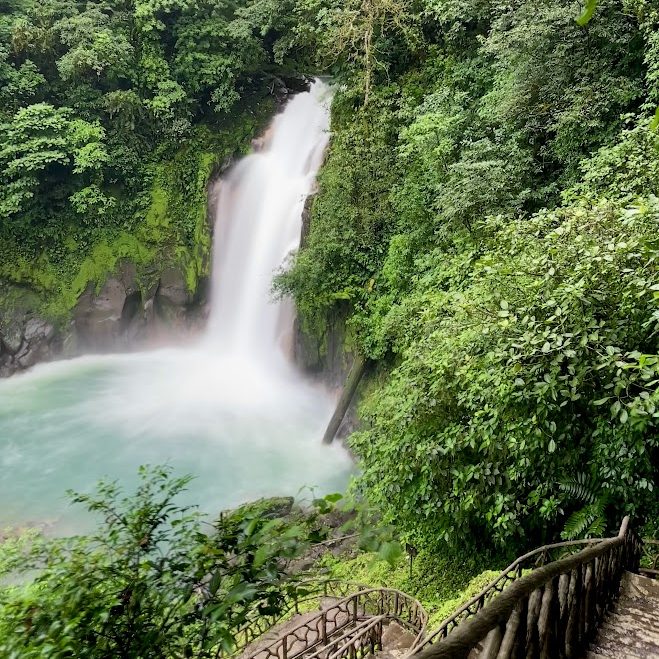
Of course, there’s the mystical Rio Celeste within the Tenorio Volcano National Park, with its celestial blue waters and pristine nature.
Or the many night tours that can be found on reclaimed pasture land, where a plethora of nocturnal visitors can be found.
But for us, our favourite thing about Bijagua is Tapir Valley.
Tapir Valley is one of the easiest places to see the endangered Baird’s Tapir in their wild habitat.
The community-led work within forest restoration has provided a safe area for these mighty mammals to make a comeback. Today, a healthy, wild population of tapirs can be found here.
With limited guests, Tapir Valley is a leading example of on-going conservation. We at Cecropia Travel are proud to support the conservation work to protect tapirs.
Puerto Viejo
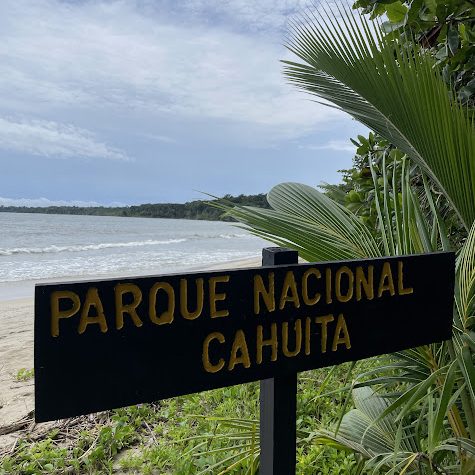
Puerto Viejo is a unique destination that effortlessly blends vibrant Caribbean culture with rustic natural beauty. Tucked in the southern Caribbean shores, in the Limon province, this idyllic coastal town is known for its welcoming atmosphere, pristine beaches, and tropical flora and fauna.
There are various National Parks and nature reserves around Puerto Viejo. None, however, are as famous as Cahuita National Park.
Established in 1970, Cahuita National Park safeguards more than 2,700 acres of both land and the sea – with the aim of protecting the largest coral reef in the country, as well as mangroves, beach and lowland tropical rainforests.
Don’t be surprised if you see a sloth happily munching on the leaves of the many almond trees that line the beach.
The weather in Puerto Viejo is different from the rest of Costa Rica.
Instead of the typical tropical seasons, the Caribbean has more temperate weather throughout the year. This means it can rain all year long, but average temperatures don’t vary much – staying around the 28°C mark.
Our Opinion:
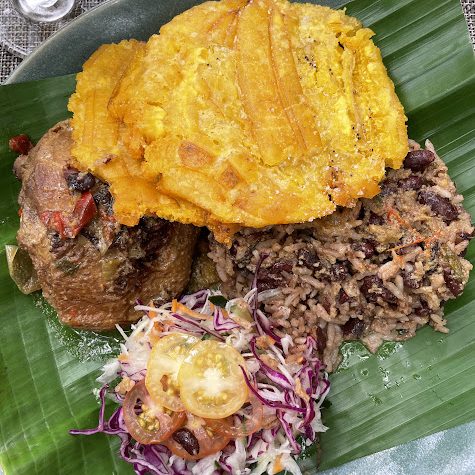
The vibrant Afro-Caribbean culture, fuelled by a combination of Jamaican, Italian and Chinese immigrants, predominates in this region and fills the atmosphere with fragrances, tropical rhythms and brilliant colours. It truly is so unlike anywhere else in Costa Rica.
Puerto Viejo, as with much of the Caribbean coast, has a completely different feel and atmosphere to the rest of the country, which makes it particularly fascinating. However, the vibe is very laid-back – both the inhabitants, infrastructure and services.
It is stunningly beautiful and intriguing to visit, with pristine beaches, tropical palms, flowers, and lush rainforest where toucans, sloth, and monkeys are widely seen.
If you want to try something different, we recommend renting kayaks and exploring the many rivers of the area. Freshwater turtles, caimans, herons and monkeys are all regular visitors of the secluded waterways.
One of the highlights of Puerto Viejo is the food. Indulge in the rich flavours of Afro-Caribbean cuisine. Don’t miss the opportunity to try dishes like rice and beans, Caribbean patties, and traditional Rondón soup. It also goes without saying that all fish dishes are fresh and delicious.
Final Thoughts
Yes, you can argue that most of these destinations are tourist hotspots.
But they’re hotspots for a reason. Incredible wildlife, breathtaking scenery, a wealth of activities. With a dash of conservation.
Yet, even in these tourist places, there are still undiscovered gems. You just need to know where to look.
Secret tree bridges, private reserves, hidden beaches and community-led conservation projects are highlights for us.
If you want to experience any of the above, contact our team today at info@cecropiatravel.com.
 Cecropia Travel Blogs
Leave a comment